Paxalah (Arabic Font): The 8-Bit Vibe for Modern Design
If you’ve ever felt the pull of retro gaming aesthetics but needed a typeface that speaks Arabic, Paxalah (Arabic Font) is the creative asset you didn’t know you were missing. This isn’t just another display font; it’s a specific stylistic choice that bridges the gap between nostalgic 8-bit graphics and contemporary Arabic typography. The name itself, derived from the Arabic slang for pixelation, tells you exactly what to expect: a typeface built on the grid, reminiscent of the chunky, confident text seen on early computer screens.
For designers, entrepreneurs, and content creators, finding a typeface that captures a specific mood while maintaining cultural relevance is crucial. Paxalah offers a visual language that feels both playful and structured. It avoids the fluidity of a script font or the neutrality of a standard sans serif font, opting instead for a geometric, blocky construction. This makes it an ideal candidate for projects that need to stand out with a distinct personality, whether you are working on web design, packaging design, or social media graphics.
Understanding the Visual Personality of Paxalah
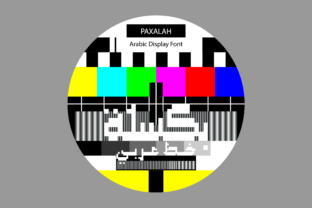
When you look at Paxalah (Arabic Font), the first thing that strikes you is its adherence to the pixel grid. Unlike traditional serif fonts that rely on curved strokes and varying thickness, this creative font uses straight lines and sharp corners to form its characters. This creates a rhythm that is highly recognizable to anyone familiar with vintage computing or modern pixel art. However, it’s important to note that despite its blocky appearance, the font respects the nuances of Arabic letterforms. The designers have managed to maintain legibility and flow within the constraints of a pixel-based system.
The personality of Paxalah is undeniably energetic. It projects a sense of fun, technology, and nostalgia. It’s the kind of typeface that can make a brand feel approachable and modern without being overly corporate. Because it is a display font, it carries a strong voice. It is not trying to whisper; it is designed to be seen. This makes it perfect for headlines, titles, and logos where you need to grab attention immediately. If you are building a brand identity for a tech startup, a gaming channel, or a youth-oriented product, this font speaks the right visual language.
Where This 8-Bit Typeface Shines
Choosing the right font for the right medium is a skill every designer must master. Paxalah (Arabic Font) is versatile within its niche, but it truly excels in specific contexts.
- Digital Interfaces and Web Design: In the realm of UI/UX, clarity is king. However, sometimes you need a header or a button label that pops. Paxalah works beautifully for game interfaces, app splash screens, or website headers targeting a younger demographic. Its pixel-perfect rendering ensures it looks crisp on high-resolution screens.
- Advertising and Marketing: If you are designing a flyer or a banner for a tech event or a retro-themed party, this premium font sets the tone instantly. It cuts through the visual noise of standard modern typography, offering a refreshing break from the minimalist sans-serifs that dominate the market.
- Print and Packaging: Imagine a coffee brand or a snack product with a "gamer" theme. Using Paxalah on the packaging design can differentiate the product on the shelf. It suggests that the product is fun and doesn't take itself too seriously, which can be a powerful marketing tool.
- Social Media Graphics: On platforms like Instagram or TikTok, where content is consumed rapidly, a distinct font can stop the scroll. Paxalah is excellent for creating bold quotes, meme text, or channel branding that feels cohesive and engaging.
Strategic Implementation: From Hierarchy to Pairing
Using a strong display font like Paxalah (Arabic Font) requires a strategic approach to design assets. You cannot simply apply it to every line of text; doing so would overwhelm the viewer and destroy readability. Instead, think of it as a tool for visual hierarchy.
Use Paxalah for your primary headlines or your logo design. This establishes the brand's voice. For body copy, you need a partner that offers high readability. This is where font pairing becomes essential. A clean sans serif font or a simple serif font often works best as a counterbalance. The simplicity of the body text will allow the pixelated details of Paxalah to stand out without creating visual clutter. For example, pairing it with a geometric sans-serif can reinforce the modern, techy feel, while pairing it with a handwritten font can create a fun, eclectic contrast.
When evaluating the fit of Paxalah for a client or your own project, consider the audience. If you are designing for a corporate law firm, this might not be the right choice. However, for a gaming café, a digital magazine, a children's toy brand, or a streetwear label, the Paxalah (Arabic Font) offers a unique edge. It signals that the brand understands internet culture and isn't afraid to embrace a bit of personality.
Practical Considerations for Your Projects
Before integrating Paxalah into your workflow, there are a few technical and practical aspects to review. As a commercial font, it is designed for professional use, ensuring that you have the rights to use it across your commercial projects, from merchandise to digital ads.
- Readability at Small Sizes: Because Paxalah is a pixel font, it may lose some of its distinctiveness at very small sizes or low resolutions. Always test the font at the size it will be viewed. It is generally best suited for larger applications like headers or logos.
- Color and Contrast: Pixel fonts often look best with high contrast. Ensure that your background and text color choices allow the sharp edges of the letters to remain distinct.
- Licensing: Always review the license included with the font. A premium font like this usually comes with specific terms regarding usage in apps, websites, and print media. Ensuring compliance protects your business and supports the type designers who created the asset.
In a market saturated with safe, generic choices, Paxalah (Arabic Font) stands out as a bold option. It allows you to infuse your projects with a sense of nostalgia and digital culture while maintaining the elegance of Arabic script. Whether you are refreshing a brand identity or starting a new creative venture, exploring the potential of this typeface could be the key to unlocking a more dynamic and memorable visual presence. It proves that even in the world of modern typography, there is always room for a bit of pixelated charm.